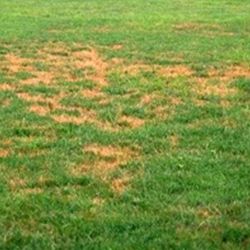
Winter can be a tough time for lawns. The worst part about winter lawn damage is that it is often not noticed until spring rolls around, when the snow and ice have melted away.
Ice cover can cause damage to the turf and the growing process. The ice usually comes about after a roller-coaster period of weather. A round of snowfall is followed by warmer temperatures, followed by a cold spell. This causes ice to accumulate, sometimes forming a sheet of ice over the turf. Short-term the damage is minimal. But if the ice remains for several days, it will likely leave behind dead spots on your lawn.
Surprisingly enough, snow can help eliminate some of that ice damage. Even though it is cold, the snow provides some insulation from the ice. It can also offer some protection from cold, harsh winds.
There is a reason you want to cut your lawn short during your last lawn cutting before putting the mower away for winter. Longer grass can be a home to insects, rodents and disease are attracted to long, matted grass. Snow and ice weighs down the grass, making things worse.
Don’t skimp on the watering once spring arrives. Your lawn will need the proper amount of water in the spring, especially if you decide to re-seed in some areas.

